The Importance of Code Verification
Code verification systems guarantee that products are correctly labelled and the traceability chain is complete.
Code verification systems guarantee that products are correctly labelled and the traceability chain is complete.
1D and 2D code verification systems are used to verify the readability and accuracy of barcodes and Data Matrix / QR codes directly on the production line.
OCR (Optical Character Recognition) and 1D-2D code technologies are advanced machine vision methods that detect, convert, and verify texts and data codes on images into digital formats. Widely used in industrial automation, this technology plays a critical role in minimizing error rates, enhancing traceability, and optimizing quality control in production workflows. Modern code and character verification tools are capable of recognizing codes and characters printed on complex surfaces or in various fonts and sizes. Consequently, operations such as verifying labels, serial numbers, and expiration dates can be performed rapidly and faultlessly.
Code verification technology is especially vital for ensuring product and part traceability on assembly lines. For instance, in the pharmaceutical sector, reading batch numbers, Data Matrix codes, and expiration dates on every product is of critical importance. Mislabelled or unreadable date and code data can lead to product recalls and regulatory compliance penalties. Machine vision tools instantly verify label information even on high-speed production lines, identifying missing or misprinted data and providing real-time feedback to manufacturers.
1D and 2D code verification solutions are also extensively employed in the automotive spare parts industry. Part reference numbers, production dates, Data Matrix codes, and lot numbers marked on each component are critical for inventory management and production routing. Correct matching of parts prevents incorrect components from entering the assembly line, strengthening quality control. Specifically, reading 2D Direct Part Markings (DPM) laser-engraved onto metal or plastic surfaces is executed with exceptionally high accuracy.
In appliance manufacturing, reading serial numbers, QR codes, and quality control codes ensures precise production tracking. During assembly, code data on appliance labels or chassis is automatically read and logged into central databases. This streamlines post-sales service, warranty workflows, and shop-floor tracking. Furthermore, defective or incomplete labels are detected instantly and rectified prior to customer shipment.
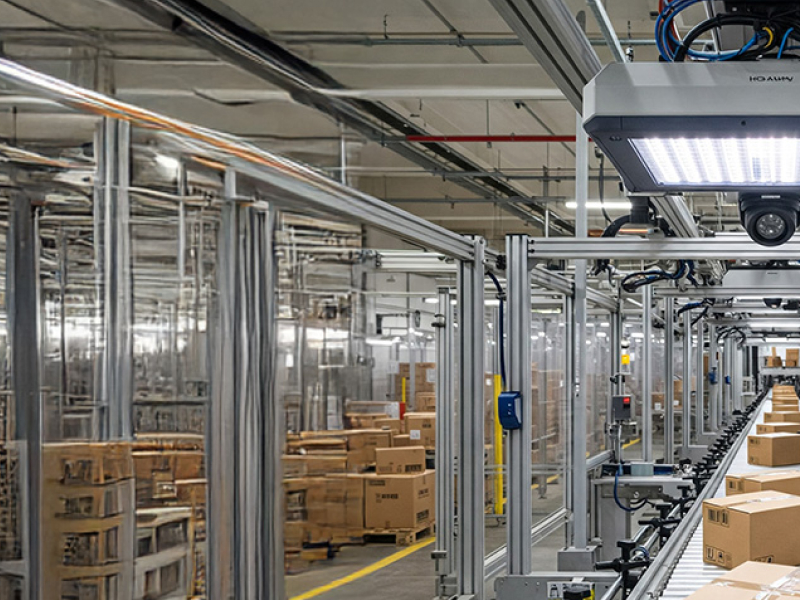
1D and 2D code verification technology offers major benefits in logistics and warehouse operations. 1D barcodes, QR codes, and Data Matrix codes on cargo packages, pallet labels, and shipping documents can be scanned automatically and integrated into Warehouse Management Systems (WMS). This eliminates manual entry errors and accelerates dispatch operations. In large-scale logistics hubs, code-verification systems simplify inventory tracking and optimize stock management.
The widespread adoption of 1D and 2D code verification across manufacturing, logistics, and quality assurance renders operational workflows far more efficient while minimizing defects. Thanks to high-precision decoding algorithms, reliable verification of printed or etched codes becomes seamless, conferring a distinct competitive edge in delivering safe, high-quality products.
THEY CHOSE ANAVIS